
Chinese Medicine :: HEADACHES AND MIGRAINES

6 Ways TCM Treats Headaches and Migraines

HOW DR. SIEGEL TREATS Headaches and Migraines

Where the headache lives tells you what it is.

Headaches aren't one thing in Chinese medicine. A pounding migraine behind the eye is a different pattern than a band of tension across the forehead, a dull ache at the base of the skull, or a heaviness on top of the head. Each location, quality, and trigger points to a different underlying picture. So does the treatment.

Dr. Sarah Siegel (L.Ac) is a Doctor of Traditional Chinese Medicine in Albany, CA. Her practice, With the Seasons, is built around reading the body's signals — and headache patterns are some of the most diagnostic. Below, she walks through how TCM approaches headaches and migraines: what they look like through a Chinese medical lens, what acupuncture and herbs actually do, and what patients can expect.

1. Maps the headache to its specific pattern
Frontal headaches often signal Stomach involvement. Temporal pain is typically Liver — especially when stress or hormones are triggers. Vertex (top of head) pain points to Liver as well, often with cold extremities. Occipital pain at the base of the skull is Bladder channel, often tied to neck tension or wind exposure. The pattern guides the treatment.

2. Reduces migraine frequency, intensity, and medication use
Multiple studies have shown acupuncture reduces both migraine frequency and the need for acute medication. It's recommended in clinical guidelines as both a preventive and acute treatment. Many patients reduce their use of triptans and preventive medications over a course of TCM treatment.

3. Addresses tension headaches and the chronic muscle bracing behind them
Most tension headaches are tied to chronic shoulder, neck, and jaw bracing — often stress-driven Liver Qi stagnation. Acupuncture releases the muscle holding patterns, calms the nervous system, and treats the upstream stress feeding into both.

4. Treats hormonal and cycle-related migraines
Migraines that arrive with the menstrual cycle, ovulation, or perimenopause are well-known patterns in TCM — usually involving Liver Blood deficiency, Liver Qi stagnation, or Kidney depletion. Treatment is timed to the cycle and uses both acupuncture and customized herbal formulas.

5. Chinese herbal formulas address the underlying terrain
Chuan Xiong Cha Tiao San for wind-cold headaches. Tian Ma Gou Teng Yin for hypertension-pattern or Liver Yang headaches. Ban Xia Bai Zhu Tian Ma Tang for damp-phlegm migraines with nausea. Each pattern has its formula, and treatment is customized to your constitution.

6. Identifies and works with your specific triggers
TCM cares about what your headaches respond to — weather, stress, sleep, hormones, food, screens. These aren't just triggers; they're diagnostic. Treatment includes practical guidance for the patterns most likely to set you off, alongside acupuncture and herbal medicine

Dr. Siegel is accepting new Telehealth patients throughout California and in her Bay Area clinic.
ACUPUNCTURE FOR HEADACHES & MIGRAINES
Your head can quiet
Acupuncture modulates pain pathways involved in migraine, releases the muscle tension , and calms the nervous system. The result, for most patients, is fewer headache days, less intensity, and less need for acute medication.
CHINESE HERBS FOR HEADACHES & Migraines
We treat
the pattern.
Migraines, tension headaches, sinus headaches, cycle-linked headaches — each is a distinct pattern with a distinct treatment in Chinese medicine. Customized herbal formulas work between sessions to address the terrain underneath the pain.
Chinese medicine for FOR HEADACHES & Migraines
Beyond just
symtoms.
When the Liver moves freely, the temples soften. When Blood is nourished, the head stops aching with the cycle. TCM treats the full picture — the headache, the sleep loss, the medication overuse, the bracing — building capacity so the headaches happen less, recover faster, and lose their grip on your life.
FAQ

Common Questions About TCM Treatment for Headaches and Migraines  

Is acupuncture for migraines scientifically supported?

Yes — robustly. Cochrane reviews and multiple meta-analyses have found acupuncture effective for both migraine prevention and acute treatment, with effect sizes comparable to standard preventive medications. The American Headache Society and American Academy of Neurology recognize acupuncture as a treatment option for migraine.

Will acupuncture work for tension headaches?

Yes. Research shows acupuncture is effective for chronic tension-type headaches as well as migraines. From a TCM perspective, tension headaches typically involve chronic muscle holding, stress-driven Liver Qi stagnation, and sometimes Blood deficiency — all of which respond well to acupuncture and herbs.

How many sessions before I see change?

Many patients notice change within 4–6 sessions. A typical preventive course is weekly treatment for 6–10 weeks, then a tapered maintenance schedule. Acute headaches may respond within a single treatment. Chronic, long-standing headache patterns take longer than recent-onset patterns.

Can TCM help with cycle-related migraines?

Yes — these are well-known patterns in Chinese medicine, typically involving Liver Blood deficiency or Liver Qi stagnation. Treatment is often timed to phases of the cycle, and customized herbal formulas address the underlying terrain over 3 or more cycles.

Can I keep using my migraine medications?

Yes. Do not stop any prescribed medication without consulting your prescribing physician. TCM works alongside acute and preventive migraine medications, and many patients use it to reduce their medication frequency over time — but in coordination with their neurologist or primary care provider.

What happens in a first appointment for headaches?

Your practitioner will ask detailed questions about where your headaches are located, what they feel like, triggers, frequency, history, sleep, stress, cycle (if applicable), and overall health. They'll look at your tongue and take your pulse. Every appointment centers on custom herbal medicine. Telehealth visits include a personalized formula shipped directly to your door. In-person visits include the same herbal consultation, plus a complementary acupuncture treatment while your formula is hand blended in our San Francisco Bay Area herbal pharmacy.

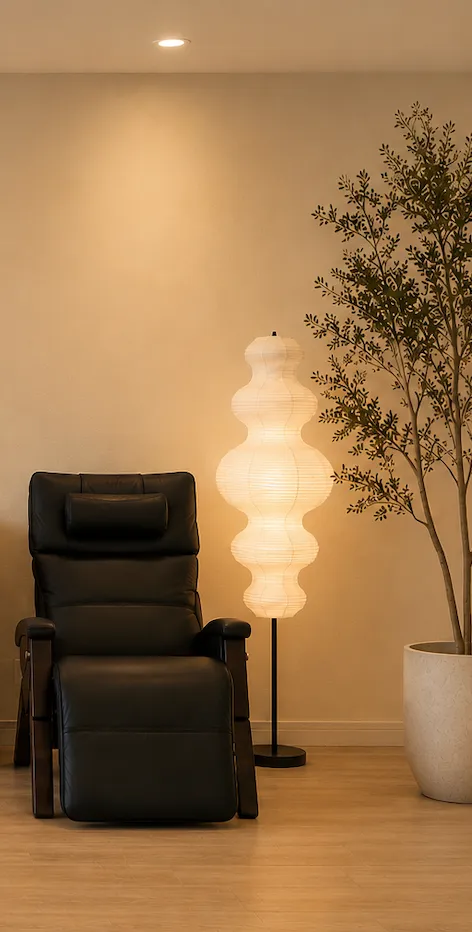
A zero-gravity chair for acupuncture at With The Seasons herbal pharmacy
what's next

Every pattern has a season. And every season, eventually, turns.

Dr. Sarah Siegel, Doctor of Traditional Chinese Medicine, sees patients at With the Seasons in Albany, CA for acupuncture and Chinese herbal medicine — and offers telehealth herbal consultations for headaches and migraines to patients throughout California.
BOOK A NEW PATIENT APPOINTMENT
LET'S GET STARTED
stay in the loop
learn the art of living
Sign up for our newsletter for seasonal tips and clinic updates
Thank you! Your submission has been received!
Oops! Something went wrong while submitting the form.
FAQ

Common Questions About Our Clinic  

Do you offer acupuncture wihtout herbs?

No. Our practice is built around herbal medicine, and acupuncture is offered as a complementary service alongside our in-person herbal consultations rather than as a standalone treatment. Private-room acupuncture is available, but only by clinical recommendation after an initial herbal visit.

Are your visits in person or online?

Both. We offer herbal telehealth consultations available to patients anywhere in California, as well as in-person visits at our pharmacy that combine an herbal consultation with acupuncture in our pharmacy chair. Your initial visit can be whichever format suits you best.

Are herbs included in the cost of my visit?

No—herbal formulas are billed separately from your consultation. A typical one- to two-week supply starts around $20–35, and may run higher for more complex formulas. This keeps your consultation fee clear and means you only pay for the specific herbs your formula calls for.

Do you take insurance?

We are a cash-pay practice, which lets us spend more time with you and keep care personalized rather than dictated by insurance constraints. We're happy to provide a superbill on request, which you can submit to your insurer for possible out-of-network reimbursement.

What's the difference between an initial visit and a followup?

Your initial visit is longer and more thorough—we take a full health history and build your treatment plan from the ground up. Followups are shorter, focused check-ins to adjust your formula and track your progress. To book at the followup rate, your visit should be within eight weeks of your last one and for the same or a related condition.

How do I get my herbs after a telehealth visit?

We offer several options. In-person pickup at our reception desk is free, and we also offer local Bay Area delivery for a flat fee or statewide shipping at cost. We'll go over the best option for you at the end of your consultation.